Raccoons are clever, persistent, and surprisingly gentle on their feet. They can slip through a loose soffit, test a weak roofline, and turn attic insulation into a den before you notice more than a faint thump and the smell of ammonia. By the time homeowners call for help, the https://rentry.co/dtsywatn problem often feels urgent, and cost becomes the next hard question. The price of raccoon removal varies because no two houses, seasons, or raccoons behave quite the same. Budgeting for safe solutions means understanding what drives cost, what corners you should never cut, and how to make decisions that hold up months later.
What drives the price of raccoon removal
A straightforward trap-and-remove job can be modest, while a maternity den in a vaulted-ceiling attic with limited access can multiply the effort. In most regions, professional wildlife control for raccoons ranges from about 250 to 1,500 dollars for removal alone. Add exclusion and repairs, and totals can climb into the 600 to 3,000 dollar range, occasionally higher for extensive damage or specialty roof work. The spread reflects complexity, risk, and time.
Key variables tend to repeat across jobs. Location matters: urban cores often carry higher service rates due to travel time and overhead, while remote properties can see travel surcharges. Season matters: late winter through early summer is denning season for raccoons, especially females with kits, and humane removal requires extra steps. House design matters: steep roofs, tile roofs, three-story ladders, and cramped crawlspaces add labor intensity. Finally, state and local regulations shape methods and pricing, especially where relocation is restricted or specialized licensing is required.
Inspection is not a formality
A thorough inspection is the foundation for safe, lasting wildlife removal. Expect a licensed wildlife pest control operator to start outside, walking the roofline and scanning for entry points: torn soffits, bent gable vents, lifted shingles, and palm-sized holes near dormers. Indoors, the attic tells the truth. Insulation that looks burrowed or tamped, latrine areas with raccoon droppings, and greasy rub marks near access holes point to activity. Thermal cameras help in winter, and a borescope can confirm kit locations in tight cavities.
Inspections typically cost 75 to 250 dollars if billed separately, though many operators credit that fee toward the job. A detailed report should map all entry points, note evidence by area, document risks like exposed wiring, and outline options. The best reports read like a plan, not a sales pitch, with photos and straightforward language. Skipping inspection leads to partial fixes that invite the raccoon right back in.
Raccoon behavior that changes the plan
Not every raccoon is a candidate for the same method. Adult males cruise, test openings, and leave quickly if challenged, while adult females with kits stake out quiet attic corners and defend them. If babies are present, live trapping the mother is only half the job. The kits are immobile for weeks and must be located and removed by hand, then reunited in a heated reunion box outside the entry point so the mother can relocate them. That extra effort adds time, risk, and care, which shows up on the invoice.
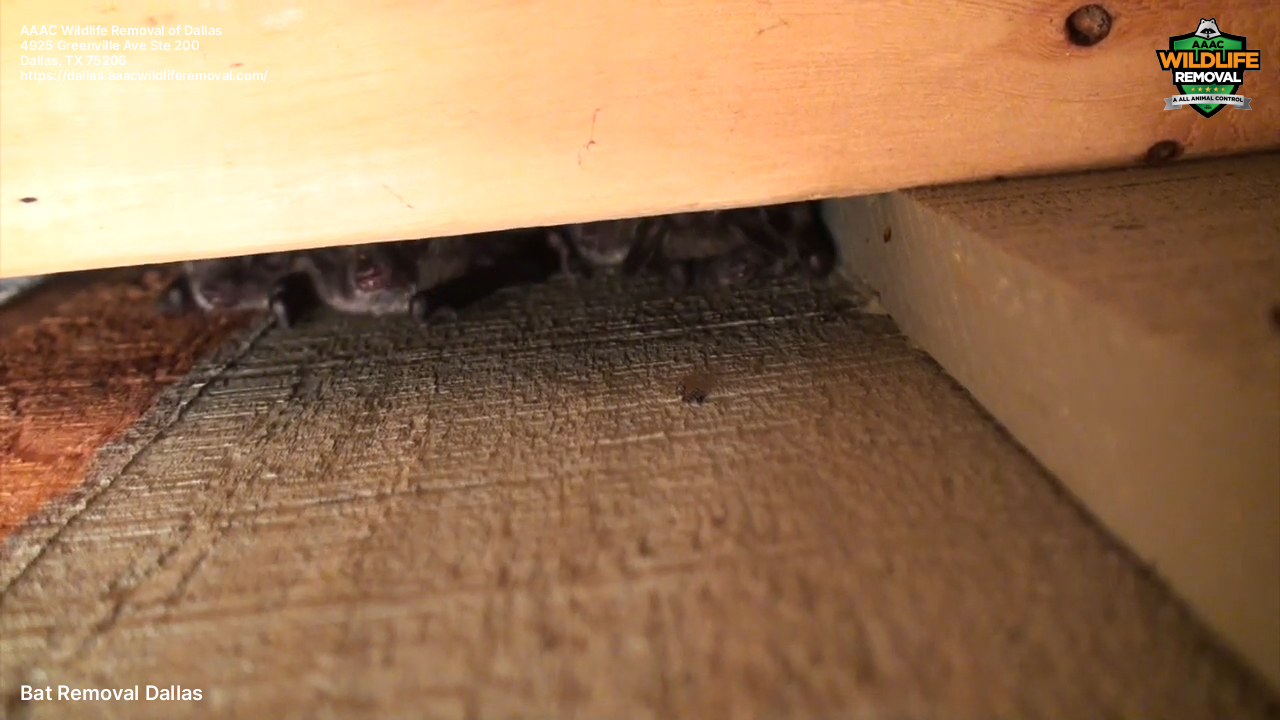
Raccoons are also strong. Once a hole is established, they return through it reliably, and they can peel back lightweight screening. Any plan that focuses only on trapping without sealing entry points is a short-term fix. In my experience, the rate of repeat calls is highest when exclusion is postponed because of budget pressures. That false economy costs more over a season than doing the hard parts up front.
Typical line items and what they really mean
Service providers structure pricing differently, but the components recur.
- Inspection and assessment: Often a flat fee, sometimes waived with work. Look for scope, not just a quick look. The best inspections save money because they prevent missed entry points. Trapping or one-way devices: Live traps with daily checks are common where permitted, especially for transient raccoons. One-way doors are favored when the animal is established and the house can be sealed except for a controlled exit. Costs here depend on the number of devices, the number of trips for checks, and any legal requirements for trap monitoring. Hand removal of kits: When present, locating and removing kits gently and safely takes time. It often involves protective gear, cutting small access points in tight areas, and patience. This is one of the most misunderstood cost drivers. Exclusion and repairs: After removal, crews seal active and potential entry points. This can include hardware cloth over vents, metal flashing along roof edges, chimney caps, reinforced soffit panels, and repair of torn sheathing. Expect to see itemized materials like 24-gauge galvanized steel, stainless screws, and exterior sealants that tolerate UV and heat. Cheaper materials are a red flag; raccoons find the weak link. Sanitation and remediation: Feces, urine, and damaged insulation pose health risks and odors that attract other wildlife. Spot sanitization runs modestly; full attic remediation with HEPA vacuuming and insulation replacement can range from 1,500 to 7,500 dollars or more in large or complex attics. Not every raccoon job requires full remediation, but honest testing and clear evidence should guide the decision.
A clean invoice breaks these down so you can decide what to proceed with now and what can wait a week. Be wary of all-in prices that gloss over details. That often means under-scoping exclusion.
Humaneness and the law are not optional
Raccoon removal sits at the intersection of nuisance wildlife management and public health. Most states regulate how raccoons can be trapped, transported, and released. Some prohibit relocation entirely because of disease spread risks, especially rabies and distemper. Others allow relocation within a limited distance or require euthanasia under certain conditions. Professionals carry the appropriate permits and follow protocols that minimize suffering and protect people.
Ask directly how the company handles capture and disposition. A reputable wildlife removal operator will explain the method, frequency of trap checks, steps to avoid orphaning kits, and how they comply with state rules. If you hear vague answers or promises of “taking them to a farm,” press for clarity. Humane practice is not just ethics, it is risk management. Improper handling can draw fines and create liabilities the homeowner does not want.
Exclusion is the investment that pays for itself
Wildlife exclusion is the craft of making the house unappealing and inaccessible to animals after the immediate crisis is resolved. For raccoons, that means addressing both the obvious hole and the likely next test point. They favor weak soffits, attic vents with light mesh, uncapped chimneys, and gaps at intersecting rooflines. I prefer metal-based solutions in any place a raccoon can get purchase with its paws. Galvanized hardware cloth secured with screws and washers, custom-bent drip edge flashing, and steel chimney caps hold up. Spray foam alone does not, except as a backer beneath metal.
The budget conversation gets real here. A minimal exclusion around the active hole can cost a few hundred dollars. A whole-house exclusion, where every vulnerable vent and seam is upgraded, can climb past a thousand and up depending on roof complexity. When homeowners ask where to start, I suggest prioritizing any upper-level opening that offers straight access to the attic and any vent that shows chewing or bending. A staged approach can work if the provider documents a clear plan and warranty on completed sections.
What warranties are worth
Warranties differ widely in wildlife control. A common promise is a one-year no re-entry warranty at the specific repaired opening. Stronger warranties cover all sealed points and may extend two to three years. Read the fine print. Ask what voids the warranty, who pays for re-trapping if an animal breaks through elsewhere, and whether tree trimming or gutter cleaning is required to maintain coverage.
Good operators photograph their work and tag each exclusion point in a map. That transparency backs the warranty and helps if you sell the house. If a company will not document what they sealed, that is a warning sign. Also, be realistic: a warranty is not an insurance policy for unrelated damage. If the raccoon pries up a new section of rotten fascia six feet from the repair, you are in new-scope territory.
Safety and health considerations homeowners often miss
Raccoon feces can contain Baylisascaris procyonis, a roundworm with serious health implications if ingested or inhaled in dust. Not every raccoon carries it, but professionals treat latrines with caution. That is why you see costs for PPE, HEPA vacuums, and disinfectants. If a contractor proposes dry sweeping or household bleach in an attic, stop the work and find someone else. Proper sanitation uses methods that reduce aerosolized particles and contains waste in sealed bags for disposal per local rules.
Chewed wiring and compressed insulation are more than an inconvenience. Thermal losses add up, and fire risks are real. When I see wiring with gnaw marks or junction boxes popped open, I recommend a licensed electrician evaluate after removal. It is another line item, but ignoring it courts a bigger loss.
Comparing providers without getting lost in jargon
Three quotes often span a surprising range. Rate sheets do not tell the whole story because methods differ. Look beyond the total price to find the value.
- Licensing and insurance: You want a wildlife control operator license where required, plus general liability and workers’ compensation. Uninsured ladder work on your property is a bad gamble. Method clarity: Ask whether they plan to use live trapping, one-way doors, or hand removal. If it is denning season, ask about handling kits. Specifics beat platitudes. Exclusion materials: Ask what gauge metal, what fasteners, and how they will deal with each vulnerable vent. You do not need to be a roofer to hear the difference between “we foam it” and “we install 24-gauge inserts with stainless screws.” Documentation: Photos before and after, a clear map of sealed points, and a stated warranty. Follow-up: Daily trap checks and a final walk-through matter. If the company cannot commit to timely checks, traps become liabilities.
The cheapest quote that skips exclusion is not really cheaper. The most expensive quote that assumes full remediation when odor is light and droppings are minimal might be overkill. Balance evidence with budget and demand an explanation you can retell in your own words.
Seasonal pricing, timing, and what you can do right now
Call volume spikes in late winter and spring as raccoons den. Schedules tighten, and prices rarely go down in the busy season. If you hear noises and suspect kits, time matters. The longer a mother raccoon is comfortable, the more entrenched the latrine and the more compressed your insulation. Early intervention can save you a thousand dollars in remediation later.
There are practical steps you can take before the appointment without making the situation worse. Bright light and talk radio in the attic sometimes encourage a transient raccoon to move along, but do not rely on this when kits are present. Do not seal an active entry hole until a professional confirms everyone is out. Blocking a mother raccoon from her kits creates a frantic, destructive animal on the outside and dying kits on the inside, and it turns a moderately priced service into an emergency call with drywall cuts.
Why do-it-yourself raccoon removal goes sideways
I have seen plenty of homeowner setups: borrowed traps baited with marshmallows, plywood screwed over vent holes, and cans of spray foam at every seam. Traps left unchecked become welfare issues and attract neighborhood cats and skunks. Plywood screwed into thin soffit can splinter and leave a worse opening when the raccoon tests it. Foam alone, even the harder formulations, is a raccoon toy.
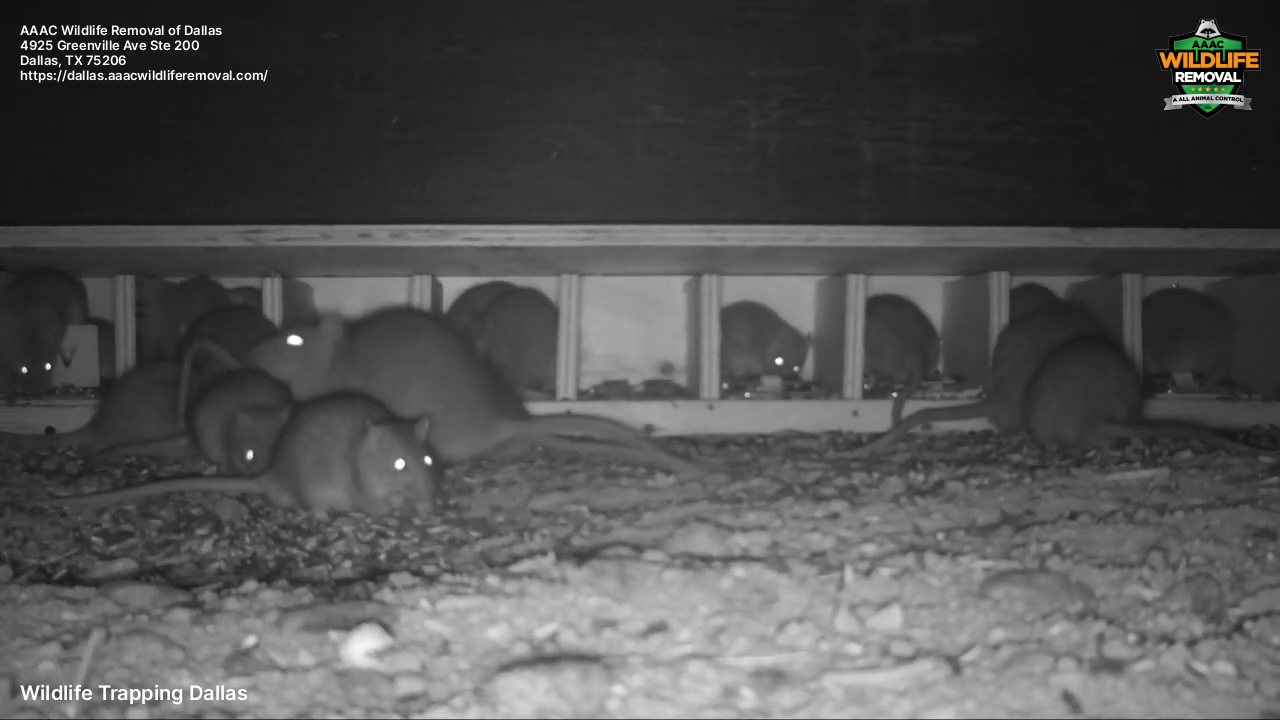
DIY might look cheaper on paper, but risks multiply. You can accidentally orphan kits, violate a local trapping regulation, or fall from a ladder while chasing noises at midnight. If budget is tight, use your effort where it helps most: clearing tree limbs that touch the roof, securing pet food and trash, and gathering the photos and access you will show to the professional. Save the trapping and roof work for someone with insurance and a system.
Insurance, permits, and unpleasant surprises
Homeowners insurance rarely covers wildlife removal itself, but it sometimes covers resulting damage. Policies vary. I have seen partial reimbursement for attic remediation and wiring repair, especially when a contractor documents before and after conditions. It never hurts to call the carrier, but do it after you have a professional inspection report in hand. That document makes the conversation concrete.
Permits are rarely required for the exclusion work, but local rules may regulate traps, discharge of waste, and use of certain disinfectants. Your wildlife control provider should handle compliance. If they ask you to sign a statement assuming responsibility for trapping rules, clarify why. That is their lane.
Budgeting smart: where to spend, where to save
Spending follows risk. You save money in the long run by getting two parts right: humane removal matched to the situation and durable exclusion with quality materials. You can save by staging noncritical upgrades, like replacing all attic insulation if contamination is light and odor is manageable. You can also save by bundling services. Many companies offer better pricing when they handle removal, exclusion, and follow-up as a package because it reduces redundant trips.
Avoid paying for show. Flashy gadgets do less than careful sealing, and scented deterrents or ultrasonic devices do not change raccoon behavior when an opening beckons. If a line item looks like a gimmick, ask for data or examples.
When wildlife control becomes whole-home wildlife management
Once raccoons find a way in, other species take note. Squirrels test the same soffits, bats squeeze the same gaps, and mice use the ground-level equivalents. The best time to switch from crisis response to wildlife management is right after a successful raccoon removal. Your provider can evaluate vulnerabilities that attract other species and suggest proportionate defenses.
In homes near wooded corridors, I often recommend a short list of durable upgrades that outlast trends. Chimney caps with solid crown repairs, custom gable vent covers that retain airflow, steel mesh behind decorative louvers, and drip edge flashing along the roof’s perimeter make the house boring to wildlife. For clients who have battled multiple species, it is smarter to view the solution as wildlife exclusion, not raccoon removal alone. That change in mindset prevents the next call about squirrel removal or bat removal six months later.
A brief comparison with other wildlife removals to set expectations
Costs and methods shift by species. Squirrel removal often involves multiple one-way devices across several entry points, with more emphasis on sealing dozens of dime-sized gaps. Pricing can be similar to raccoon removal at the low end but skew lower on trapping and higher on time for thorough sealing. Bat removal is its own practice area. Exclusion happens during specific windows to protect nonflying pups. There is no trapping, and the job is all about sealing with extreme attention to airflow and one-way exits. Bat work can be more expensive per hour because the detail work is meticulous and every gap matters. If you approach raccoon decisions with the broader frame of wildlife control rather than pest shortcuts, you will make better long-term choices.
What a well-run raccoon job looks like, start to finish
From the homeowner’s view, a smooth job follows a rhythm. Day one brings inspection and a clear proposal. If active denning is confirmed, scheduling is prioritized within a day or two. The crew installs one-way doors or traps as appropriate, seals secondary openings, and sets a plan for daily checks. If kits are present, they are removed by hand and placed in a heated reunion box outside the entry point so the mother can retrieve them overnight. The next day, the technician confirms removal, cleans latrine spots as scoped, and completes permanent exclusion with metal and sealants. Photo documentation wraps the job, the warranty is explained, and a short follow-up call a week later confirms that noises have ceased. That is nuisance wildlife management done responsibly.
A simple homeowner checklist to keep costs down without cutting corners
- Secure attractants: lock trash lids, feed pets indoors, and store bird seed in metal bins. Trim back branches: keep limbs 6 to 8 feet from the roofline to reduce access. Light and sound: in non-denning situations, temporary light and a talk radio in the attic can nudge transients to leave before work begins. Access prep: clear attic access points and move stored items so the crew does not bill for time just gaining entry. Documentation: take clear photos of damage and note times you hear activity; this helps tailor the approach quickly.
The bottom line
Raccoon removal is not a commodity service. You pay for experience, safe methods, and materials that withstand a determined animal. Expect removal and basic exclusion to land in the mid hundreds to low thousands depending on complexity, and know that full remediation or whole-house exclusion can push higher. Focus your budget on humane removal suited to the season, thorough sealing with real metal, and targeted sanitation where health risks exist. Ask for specifics, demand documentation, and choose a provider who speaks in plain terms about wildlife removal, wildlife exclusion, and the realities of wildlife trapping where regulations allow.
If you get those fundamentals right, you will not just solve the raccoon problem. You will make your home a place where future animals test the edges, find nothing worth their effort, and move on. That is the quiet you are paying for.